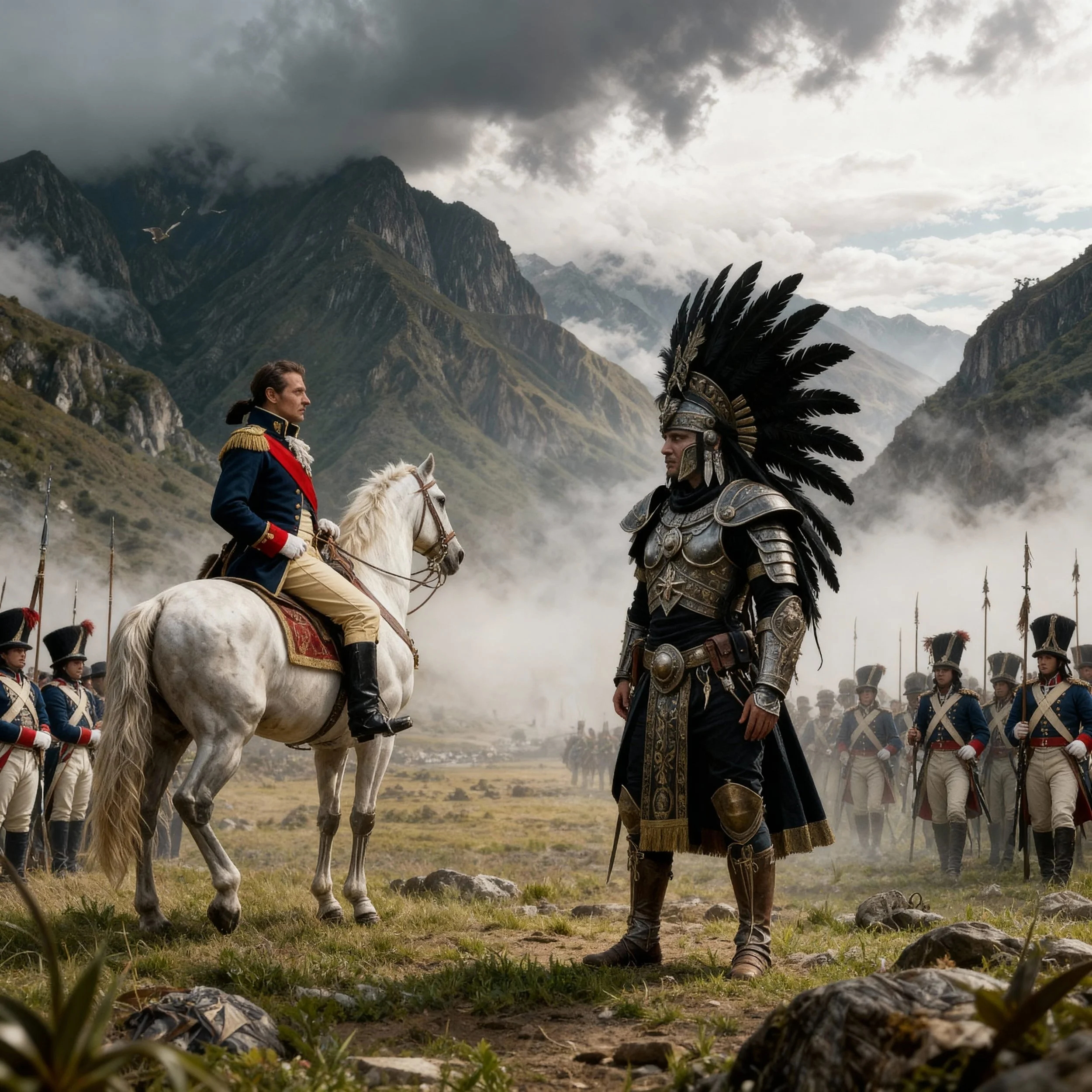
Neo answered: "li loq’alil wan chi tz’aqal sa’ lin tz’e." The man with the plumage looked slightly startled. "You speak Q'eqchi'? I'm impressed." "Let's just say that when I was younger, I read a great deal and acquired a great deal of knowledge that way. "My name is Neo, by the way, and you are?" "My name is Pakal, and I am often called Pakal the Great. It is up to you to decide whether this is because of my stature or because of my actions." The man smiled faintly.
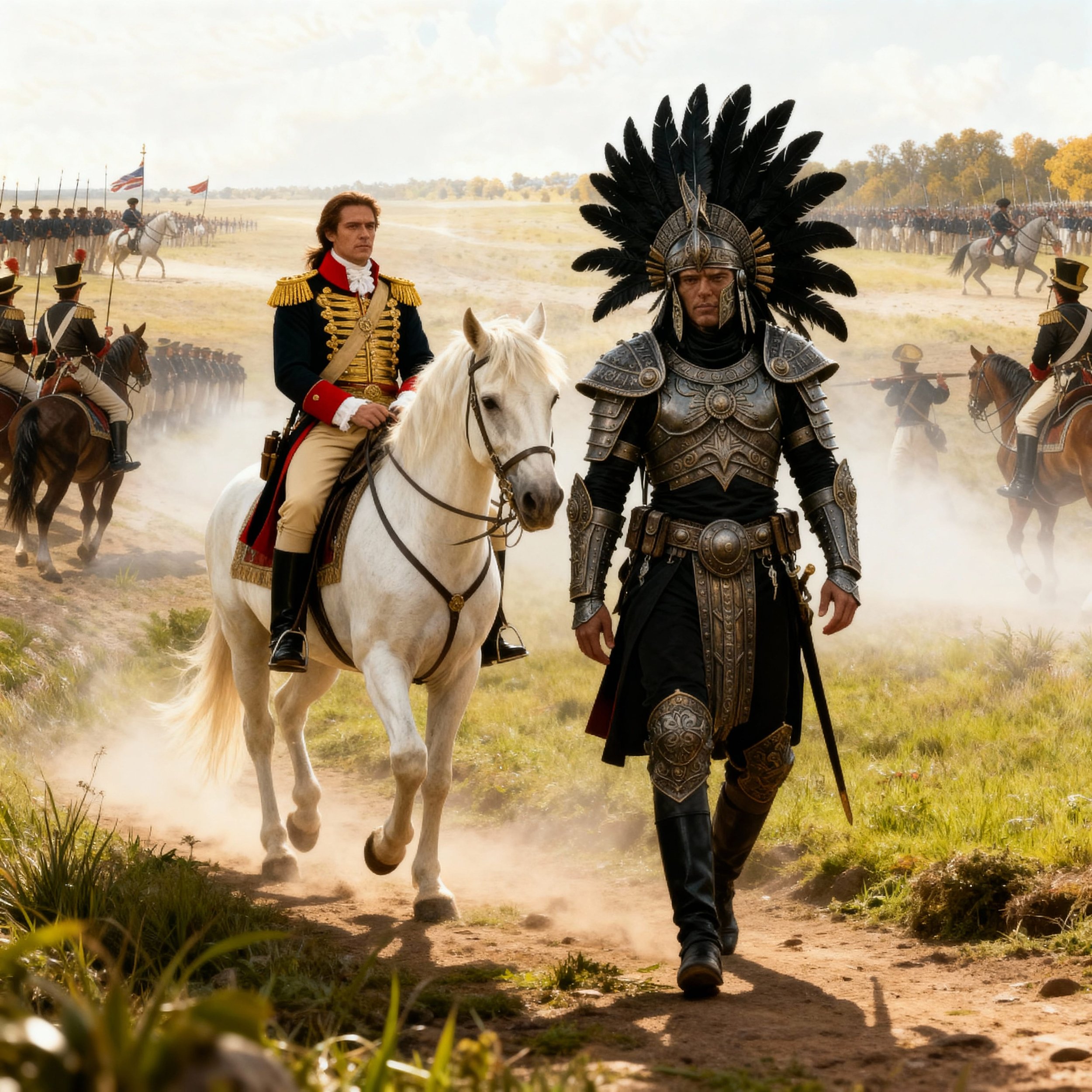
"I would like to speak with you, Neo. But first, allow me to assign you a place to stay. Your men can pitch their tents here in Palenque and beyond." On the way, Pakal told Neo that his people descended from a mythical people who once lived in the Fiery Lands, but were forced to leave due to illness.
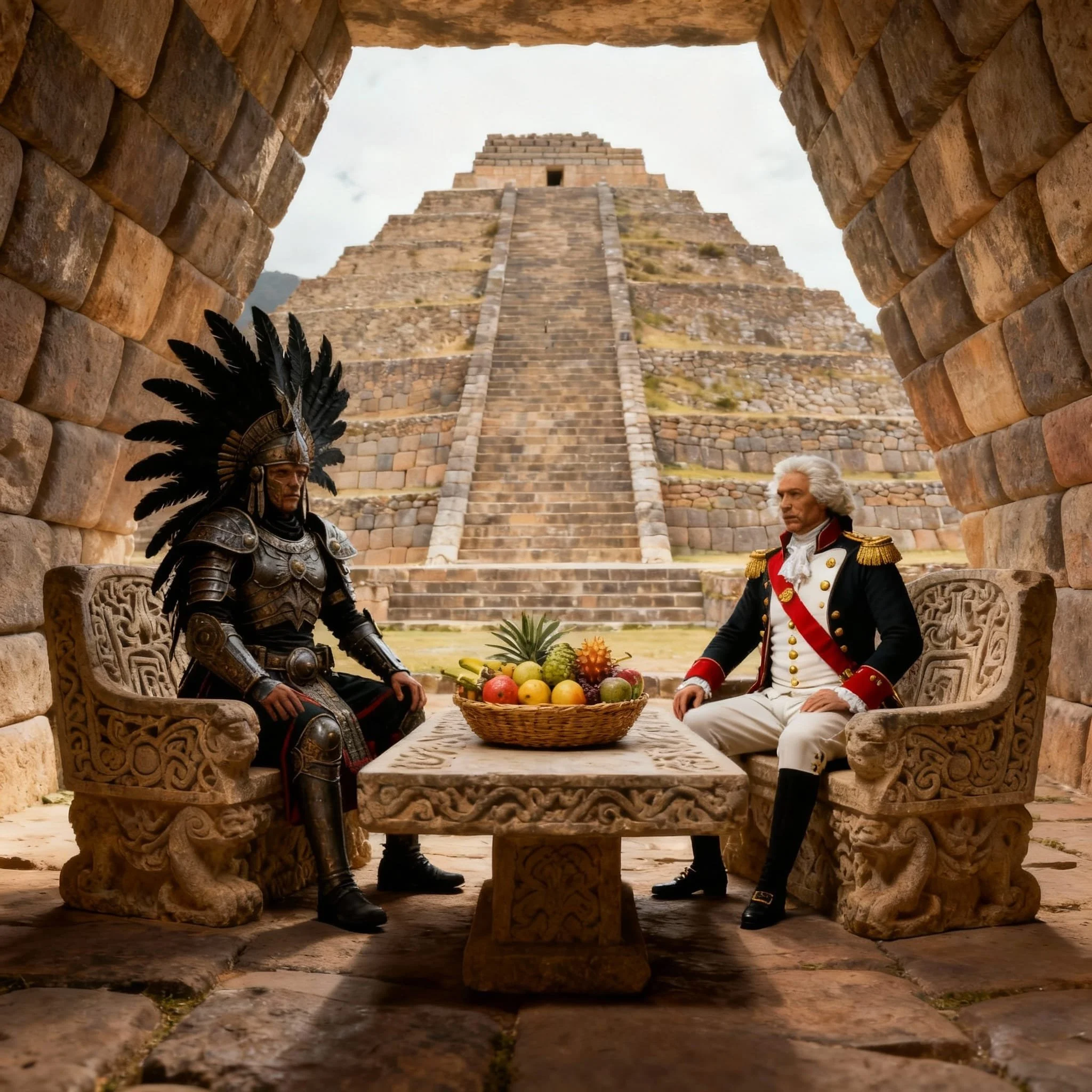
During their meeting, Pakal praised Neo, whose name preceded him, as a great warlord and conqueror. However, he also warned Neo that he faced great danger and, consequently, an important decision. The disease that nearly killed Pakal's native population affected only men. It began with an increase in muscle mass, hair growth, and a fighting spirit, but resulted in mental decline and ultimately an untimely death. All men were susceptible to the disease. To travel beyond the desert entailed a great risk to be infected.
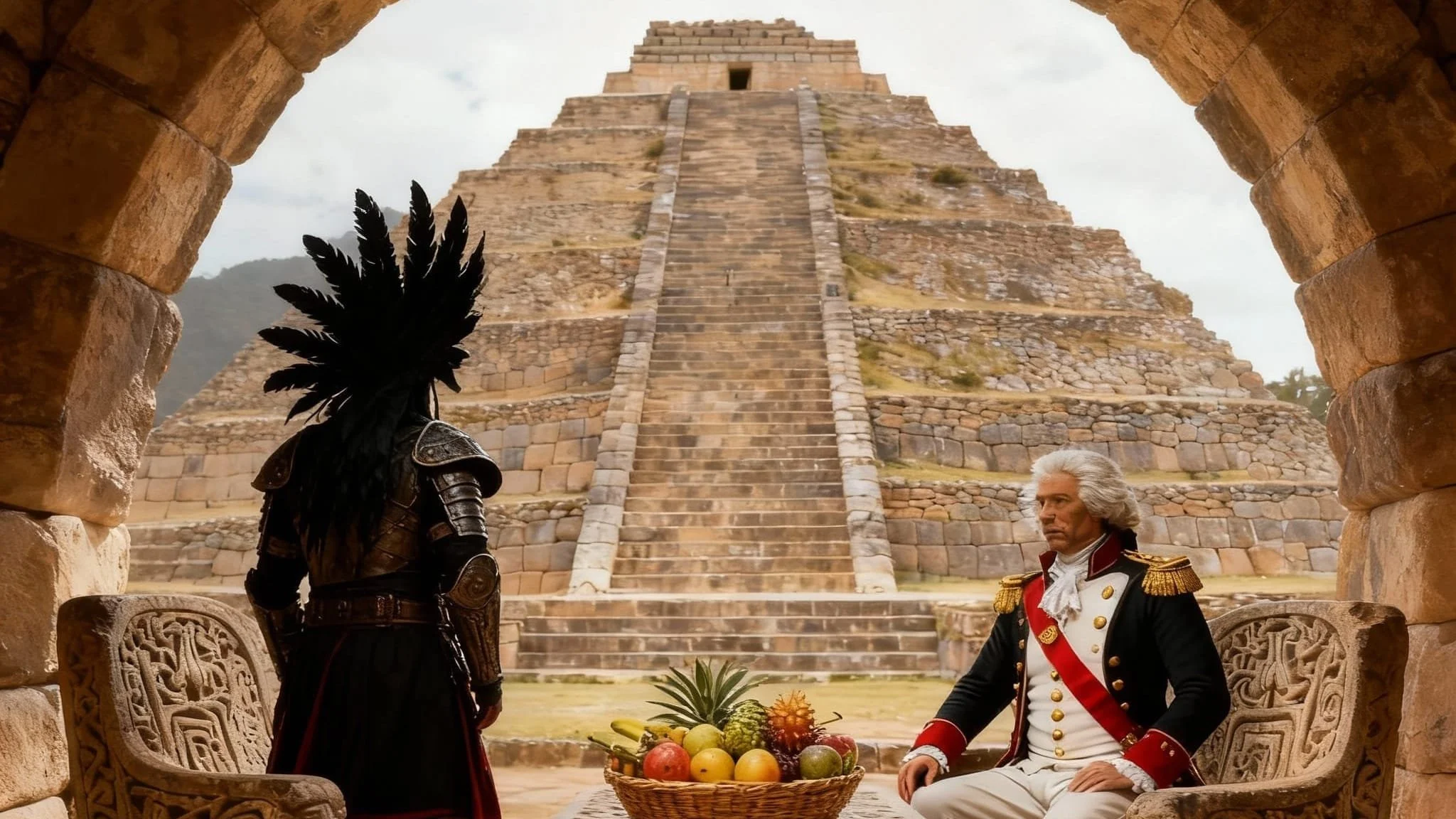
Pakal emphasized that it was not in his power or will to stop Neo, but he did ask Neo to consider it carefully. In the meantime, he and his men were free to remain in Palenque as long as they wished. Neo was free to explore the surrounding area and connect with locals, both in the city and in the mountains and desert. He also pointed out to Neo that if he wanted to travel further, his outfit was anything but suitable for desert travel. But, he said with a smile, that problem would resolve itself as they made more contact with the locals.
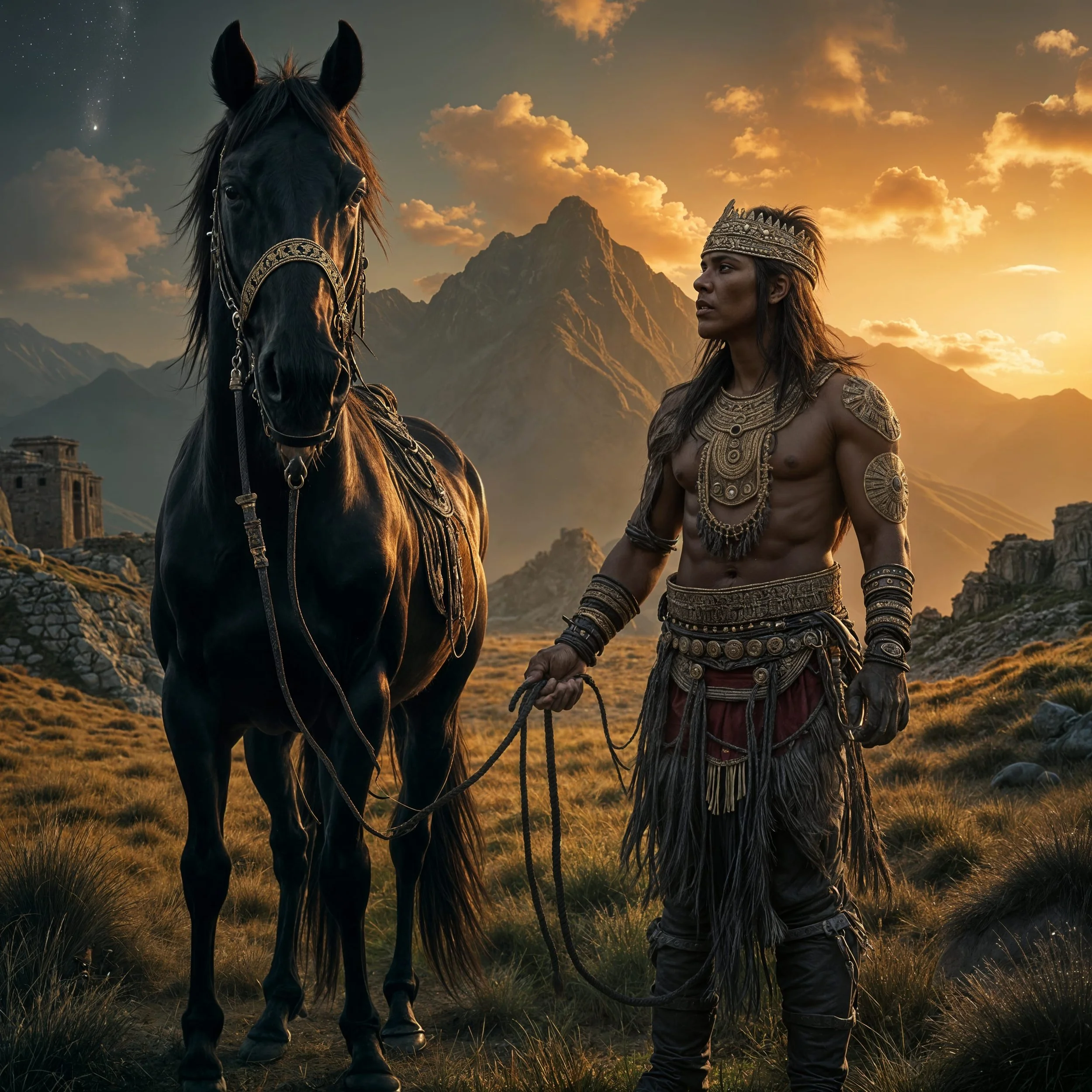
Finally, Pakal mentioned that he'd heard Neo's horse had died on the way. He whistled briefly, and a young man approached with a jet-black stallion. "This is Bucephalus. We've only just tamed him. He was originally meant for my son, but after discussion, he's yours." Neo was impressed with the horse and thanked Pakal and his son in Q'eqchi'.

Shortly afterward, Neo's men began setting up tents at every possible campsite. Orders were given that they would remain there for a while and that this was to be done with the utmost respect for the local population, environment, and customs.
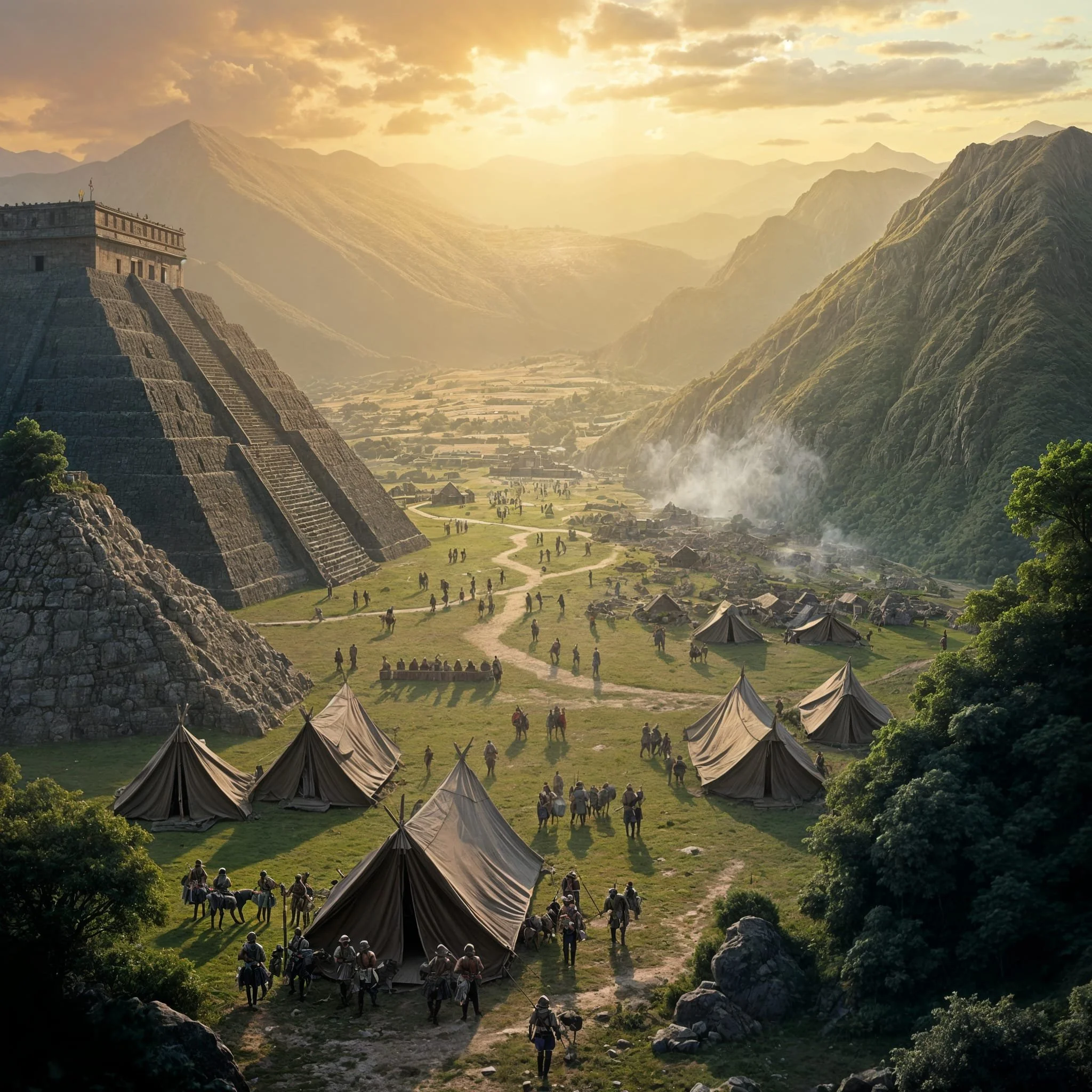
Neo's men were deeply impressed by the buildings and greatly appreciated the hospitality of the native inhabitants. Thus, the first seeds were sown for a mixed culture that would influence the soldiers' appearance, customs, and language.